
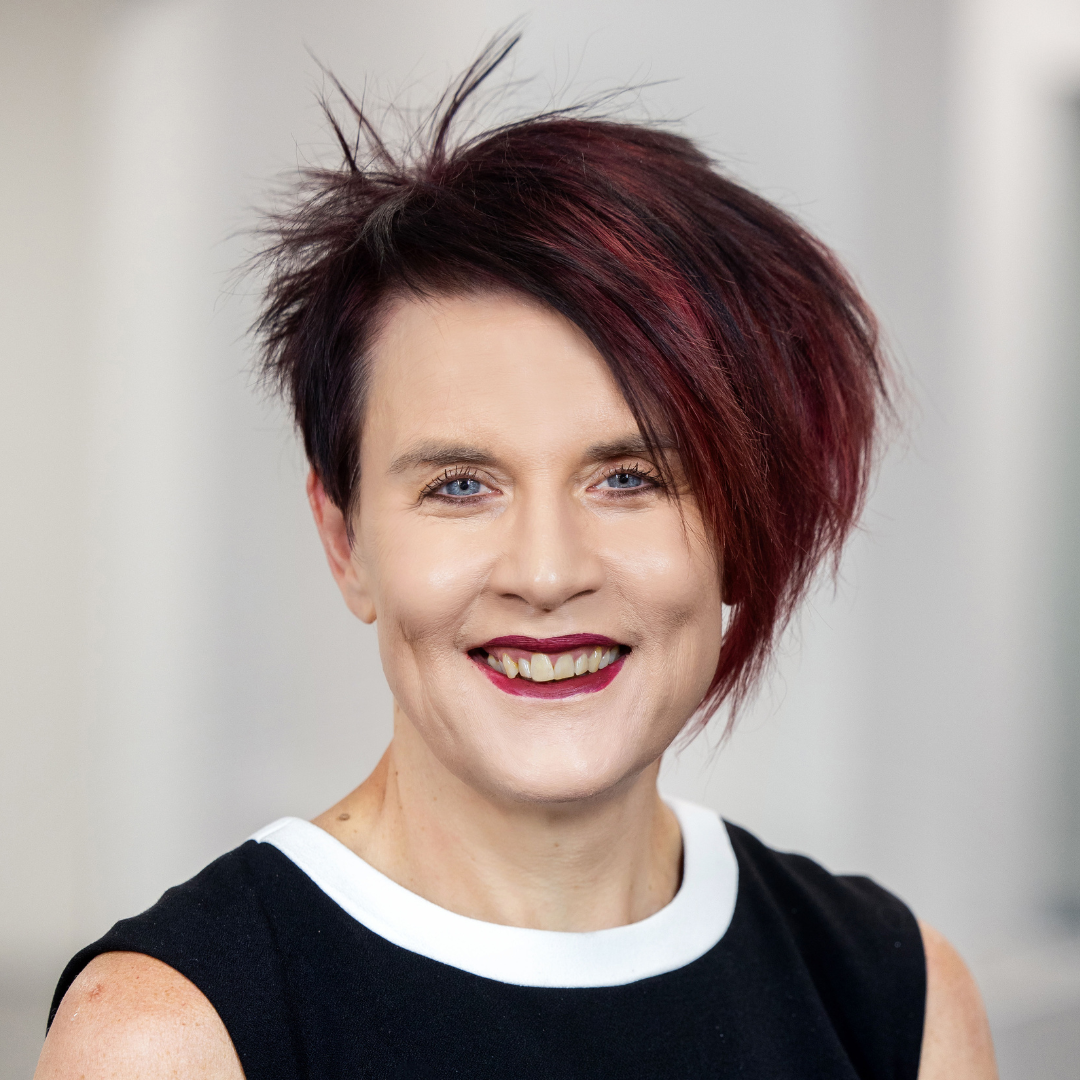
CEO, Upperton Pharma Solutions
Table of Contents
If there’s one constant in drug development today, it’s that the pressure of speed to clinic is only ever increasing. The sheer growth of small biotechs and midsized pharma companies entering the field has reshaped expectations of Contract Development and Manufacturing Organisations (CDMOs). Over the past decade, 32% of innovative drug approvals were sponsored by emerging biotech companies, suggesting that they are more willing and more able to take on the risks of innovation than big pharma. To do this, biotech teams need to be lean but ambitious, their molecules promising yet complex, and their timelines ambitious.
“Flexibility and agility are everything. Our partners need us to be nimble on our feet, to think creatively, and to truly act as an extension of their team.”
That’s the mindset we’ve taken at Upperton: build the culture, capability, and processes for fast, collaborative problem–solving, especially in the middle of early development where unknowns inevitably emerge. Because the reality is that projects fail, or succeed, in how quickly we solve challenges together.
Biotech Strategies Have Evolved and We've Evolved with Them
Over the past ten years, there has been a real shift in the way products are developed by biotechs. Years ago, it was quick to clinic, demonstrate that the desired clinical exposure is viable, and the product would then be sold off as an asset. However, that isn’t the case anymore. The biotechs we work with now have a vision of going right from early-stage development all the way through to late stage. Therefore, when biotechs are going through CDMO selection, they want to know that they’re going to work with a team that can deliver it all the way through.
“Biotechs now want partners who can deliver from the very early days through to late development. We share that vision, and we plan for it from the start. We know that quick to clinic matters, but quick to clinic with a path to scale matters more. We help map that path, so momentum doesn’t stall after the first study.”
That changes how programmes are designed. It isn’t enough to solely target Phase I; CDMOs need to build for scalability. There needs to be an early focus on manufacturability, process trains that can expand, and decisions that won’t become bottlenecks later.
For Upperton, that’s the most inspiring part of the work: seeing teams bring their science to patients and knowing we helped along that journey.
Breadth of Expertise and Capability Matters
Alongside more programmes, we’re seeing a fundamental shift in the modality mix: biologics are growing rapidly. Formulating biologics demands specialist knowhow and cross functional coordination that not every CDMO can offer.
“We’ve built on our history with biologics to formulate for nasal delivery, as well as conventional routes. That breadth, across small molecules and biologics is rare, and it’s something we’re deeply committed to.”
A biotech’s pipeline often spans multiple modalities. Being forced to switch partners or to accept narrow capability adds time, risk, and complexity. Our extensive capabilities across phases and dosage forms means that our partners don’t face that trade–off.
What Partnership Looks Like in Practice
“By the time we hit the technical batch, it feels like muscle memory. Everyone knows the plan, the handoffs, and the failure modes we’ve already mitigated.”
In a typical scenario, a biotech team arrives with a promising molecule and an aggressive timeline to first-in-human. The science is strong, the formulation window is tight, and the timeline is challenging.
We convene a cross functional team, R&D formulators, analytical scientists, GMP manufacturing leads, and regulatory specialists. From day one, a senior leader joins the core project team, not for optics but for speed and unparalleled decision-making experience.
Early meetings focus on a simple question: What are the biggest risks to achieving a robust clinical prototype? We pressure test excipient selections based on product performance, product viability and robustness. We align analytical methods with release needs, and use the technical batch to flush out any remaining hidden risks and to give an early indication of product stability.
The clinical run then becomes execution, not experimentation. And because we made Phase I decisions with Phase II/III in mind, the scaleup conversation starts clean, with fewer reengineering cycles and less risk of revalidation.
Where Projects Win or Lose: R&D to GMP Transition
One critical moment where drug development consistently gets riskier, is the transfer from R&D into GMP manufacturing.
“As a formulator by heart, I’ve seen firsthand how easy it is for knowledge to evaporate when departments operate in silos. When R&D and GMP don’t move as one, knowledge gets lost, timelines slip, and risk creeps into the clinical product. We designed our model to close that gap.”
We do three things differently:
- Continuous Project Management Across Projects
Our project management team work on the same project across every stage at Upperton. That means fewer handovers, less risk, and more knowledge kept in your project team. - One-Site Operation
When we built our facility, the vision was to create a one site operation, where transfers would be minimised, ELT would be placed on every project, and cross-departmental collaboration would be commonplace. That means a more streamlined operation, and a better project outcome for our partners. - Executive Leadership on Every Project
Our Executive Leadership Team are assigned on each project, ensuring their experience is used on each project we work on.
Final Thoughts
The CDMO market is crowded and capable, but capability alone doesn’t guarantee outcomes. What matters, especially for smaller biotechs and midsized pharma, is a partner who can move quickly, think critically and creatively, and collaborate deeply.
At Upperton, we’ve committed to that model: fast, integrated, senior-led teams; breadth across small molecules and biologics; and sterile manufacturing designed for quick-to-clinic without compromise. From early formulation to GMP, and from Phase I to scaleup, we’re supporting ambitious biotech timelines, so treatment reaches patients sooner, and more securely.